
Is the Government changed Net Metering Policies in Pakistan?
Last year, similar news about net metering policies in Pakistan circulated widely, sparking debates among residential, commercial, and industrial solar users. However, at that time, no concrete implementation took place, and the rumors eventually faded.
Now, in 2025, discussions have resurfaced with renewed intensity. The government and regulatory authorities, including NEPRA Chairperson Irfan Ali and Ministry of Energy Secretary Tariq Mahmood, are actively reviewing the net metering framework. Users across the country are closely watching, concerned about the potential impact on their solar exports, electricity bills, and long-term planning.
Why the Government is Reviewing Net Metering Policies?
The government is reviewing net metering policies because of money and grid problems. Even though more people are using solar energy, it has put extra strain on the electricity grid and the country’s finances.
- Payments to Independent Power Producers (IPPs): Pakistan still pays capacity charges to IPPs to ensure 24/7 electricity availability.
- Cost Recovery: With high solar exports to the grid, the government must maintain grid revenue to cover operational costs, including IPP payments.
- Circular Debt: Rising circular debt, currently exceeding PKR 2.6 trillion, has forced regulators to rethink incentives for solar users while keeping the system financially sustainable.
Officials clarify that no final decision has been made yet — all proposals are currently under discussion. This means current net metering users remain unaffected, but new rules could apply to future installations depending on the final policy outcome.
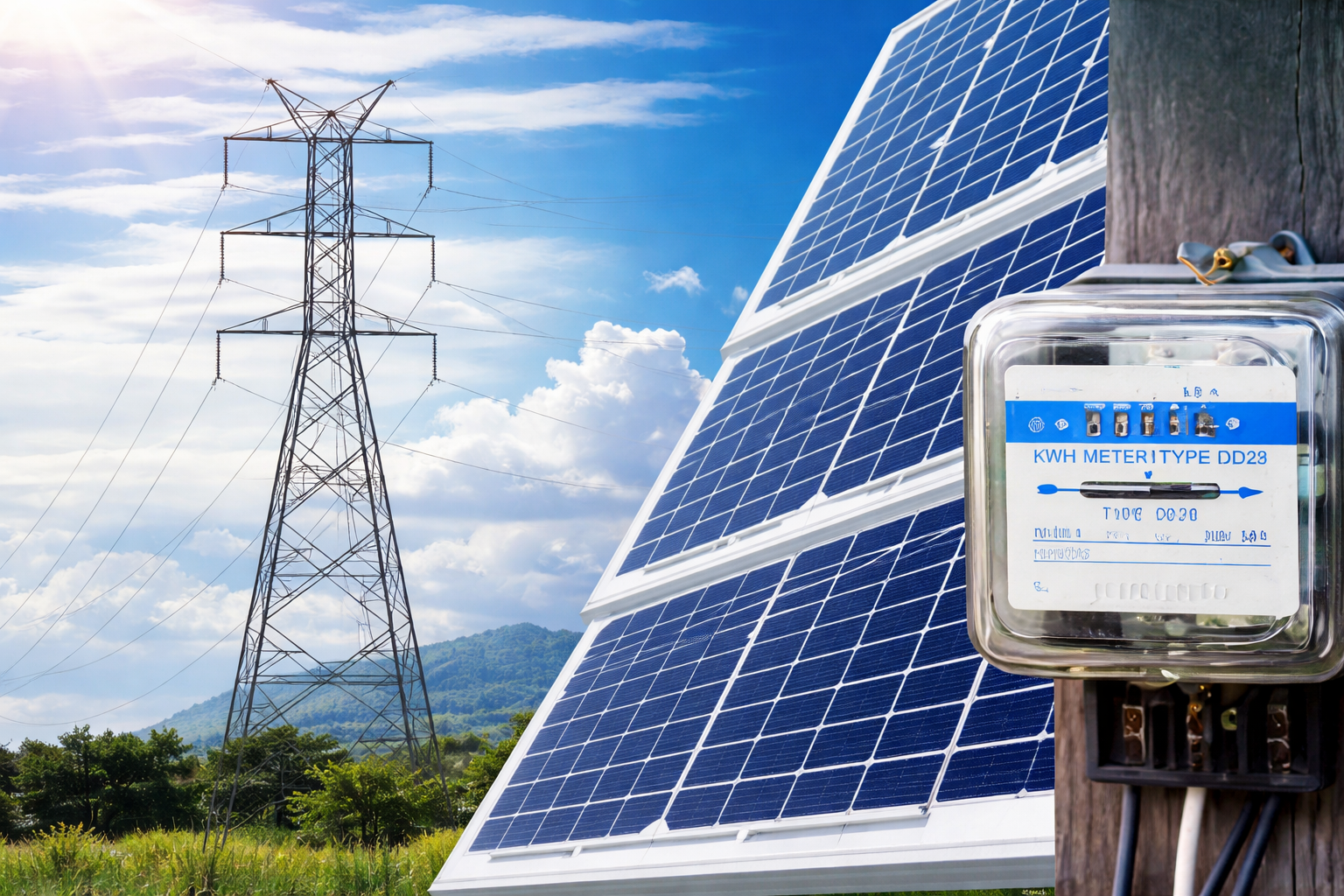
Possible Changes on Net Metering Policies:
Based on recent official discussions and policy reviews, the government is evaluating a few important areas of the net metering system. These are under consideration, not final decisions.
Buyback Rates for Exported Solar Electricity:
Authorities are reviewing the rate paid to solar users for excess electricity sent to the grid.
The aim is not to discourage solar, but to adjust payments so the national grid can cover its operating costs.
Policymakers say any revision will try to remain fair for solar users while keeping the power system financially stable.
Possible Shift from Net Metering to Net Billing:
One major proposal is moving from net metering to net billing.
Under net metering, exported and imported units are adjusted against each other.
Under net billing, exported electricity would be paid separately at a defined rate, while consumed electricity would be billed normally.
This change is being discussed to help the grid manage costs and continue payments to Independent Power Producers (IPPs).
Capacity & Load Management Limits:
New solar connections may face capacity limits, especially in congested urban areas.
The purpose is to avoid overloading transformers and local distribution systems.
Officials say this is necessary to ensure grid safety and fair access for all consumers.
Why the Government Is Reviewing Net Metering Policy?
Government officials have shared several reasons for reviewing the policy:
Grid Financial Sustainability
The national grid must still pay IPPs capacity charges, even when solar exports reduce electricity sales.Revenue Balance
High solar exports can shift grid costs to non-solar consumers, creating an imbalance.Operational Challenges
Large-scale rooftop solar in cities can put pressure on transformers and distribution lines.Future Planning
With rapid solar adoption, regulators want a long-term policy that supports renewable energy without weakening the grid.
Officials have clearly stated that the policy is under review, and adjustments may be made after stakeholder consultations. There are many rumors suggesting that net metering is “ending,” but the reality is more nuanced. The government is reviewing and refining the policy not shutting it down. Factors such as IPP payments, grid stability, and fairness for all consumers are part of this process.
All existing solar systems continue under current regulations, and no final announcement has been made yet. Any changes will only be implemented after official approval and public notification.
During this review phase, solar users have time to stay informed, plan wisely, and adapt if needed. For verified updates and expert guidance on solar solutions in Pakistan, visit Global Energy Solutions.Despite ongoing policy discussions, solar energy remains a key pillar of Pakistan’s energy future.